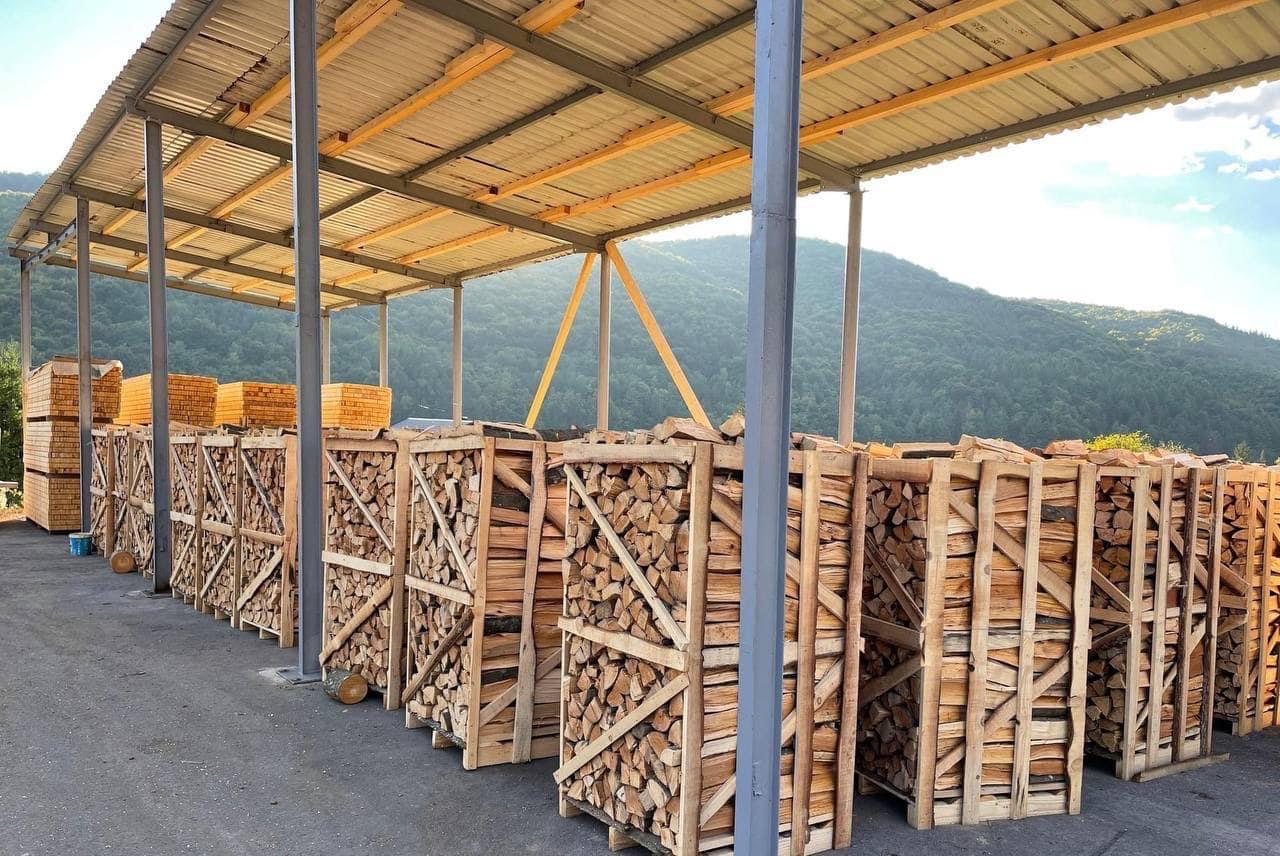
Moisture content is the single biggest factor separating a firewood log that burns hot and clean from one that hisses, smokes and leaves a chimney full of creosote. Here's what the numbers mean and why they matter before you buy.
What "Moisture Content" Actually Measures
Moisture content is the weight of water in a piece of wood expressed as a percentage of the wood's total weight. A freshly felled log can sit above 45–50% moisture. Seasoning — drying the wood in open air, usually under cover, for months at a time — brings that down gradually. Kiln drying speeds the same process up using controlled heat, reaching a lower, more consistent moisture reading in days rather than months.
Why Wet Wood Burns Poorly
Before wood above roughly 20% moisture can release usable heat, the fire first has to boil off the water trapped in the fibres. That process consumes a meaningful share of the available energy, which is why wet firewood produces less heat than dry firewood of the same species and size. It also burns at a lower temperature, which leads to incomplete combustion — more smoke, more visible soot, and unburned compounds that condense inside a cooler flue as creosote.
The Creosote & Chimney Safety Link
Creosote build-up inside a chimney or flue is a leading cause of chimney fires. Burning wood at or below 20% moisture keeps flue gas temperatures higher, which reduces the amount of unburned material that can condense and accumulate. Regular chimney inspection matters regardless of the fuel used, but starting with properly dried wood meaningfully reduces how quickly deposits build up.
Seasoned vs. Kiln-Dried: Which Do You Need?
Seasoned firewood, air-dried for six months to a year depending on species and stacking conditions, typically settles around 20–25% moisture — usable, though not optimal. Kiln-dried firewood is dried further, generally to under 20%, giving a more consistent, ready-to-burn moisture level without the storage time or space that natural seasoning requires. If you're buying firewood mid-season and want it to perform immediately, kiln-dried is the safer choice.
How To Check Before You Buy
A moisture meter is the only reliable way to confirm a reading — visual cues like bark looseness or checking (splits in the end grain) are useful indicators but not a substitute for a measurement. We test each seasoned and kiln-dried batch before it leaves our yard, so ask for the current moisture reading on any order.
Browse our seasoned and kiln-dried firewood range for current species, cut lengths and packaging options.